En exonym är ett namn som används i ett språk eller en kultur för att referera till en geografisk plats (en stad, ett land, en region eller ett naturfenomen) som ligger inom ett annat språkligt eller kulturellt område. Med andra ord är det vad människor utanför en plats kallar den, snarare än det namn som används lokalt av invånarna själva.
Till exempel säger vi på svenska “Tyskland” och på engelska “Gemany”om det som tyskarna själva kallar “Deutschland”, och “Florence” om den italienska staden som lokalt heter “Firenze.” Dessa svenska namn är exonymer. Samtidigt är endonymen (eller det inhemska namnet) namnet på platsen på det egna språket – som “Deutschland” eller “Firenze” i dessa två exempel.
Exonymer uppstår av flera olika skäl. Ibland återspeglar de äldre historiska namn som levt kvar genom århundraden av handel och resor. I andra fall är de ett resultat av olika ljud- och stavningskonventioner i det språk som anammar namnet. Även om exonymer kan ge en känsla av igenkänning och underlätta uttal för talare av ett visst språk, finns det i dag en tendens att i större utsträckning använda lokala (endonymiska) stavningar eller uttal – särskilt när hänsyn till kulturell eller språklig identitet prioriteras.
Entries should be posted in the #🏆│contest-entries channel on Discord and must include a YouTube link to your video along with the in-game time shown in the video.
The use of macros, autoclickers, or any other external tools is strictly prohibited.
Prize money will be paid via PayPal or Swish (for participants in Sweden).
Winners will also receive a special role in the Ekvis Discord server as recognition for their achievement.
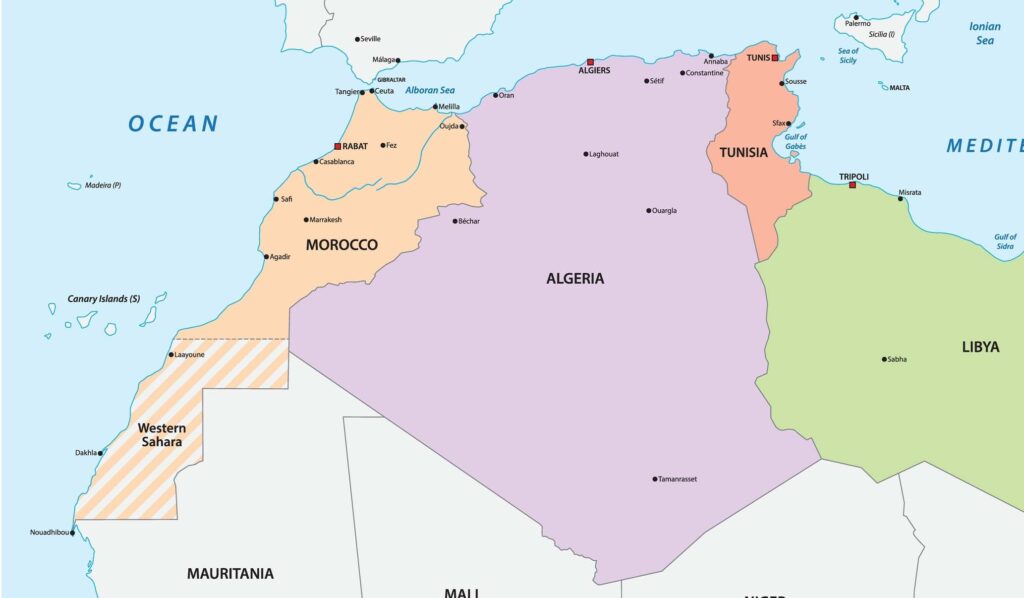
Die Westsahara ist ein umstrittenes Gebiet im Nordwesten Afrikas, das zwischen Marokko, Mauretanien und Algerien liegt. Es war früher eine spanische Kolonie unter dem Namen “Spanisch-Sahara”.
Westsahara
1975 zog sich Spanien aus der Region zurück. In der Folge erhob Marokko Anspruch auf das Gebiet, während die Unabhängigkeitsbewegung Polisario-Front die Demokratische Arabische Republik Sahara (DARS) ausrief.
Marokko kontrolliert heute den Großteil der Westsahara und betrachtet sie als Teil seines Staatsgebiets. Die Polisario-Front hingegen kontrolliert kleinere Gebiete im Osten und Süden und fordert ein unabhängiges Sahrauisches Staatswesen.
Die Vereinten Nationen erkennen die Westsahara nicht als Teil Marokkos an. Stattdessen betrachten sie das Gebiet als “nicht selbstverwaltetes Gebiet” und fordern ein Referendum über die Unabhängigkeit, das bislang nicht stattgefunden hat.
Weniger als 50 Länder erkennen die DARS als unabhängigen Staat an, und die internationale Gemeinschaft ist in dieser Frage gespalten.
Ob die Westsahara als eigenständiges Land gilt, hängt also von der Perspektive ab. Völkerrechtlich ist der Status weiterhin ungeklärt.
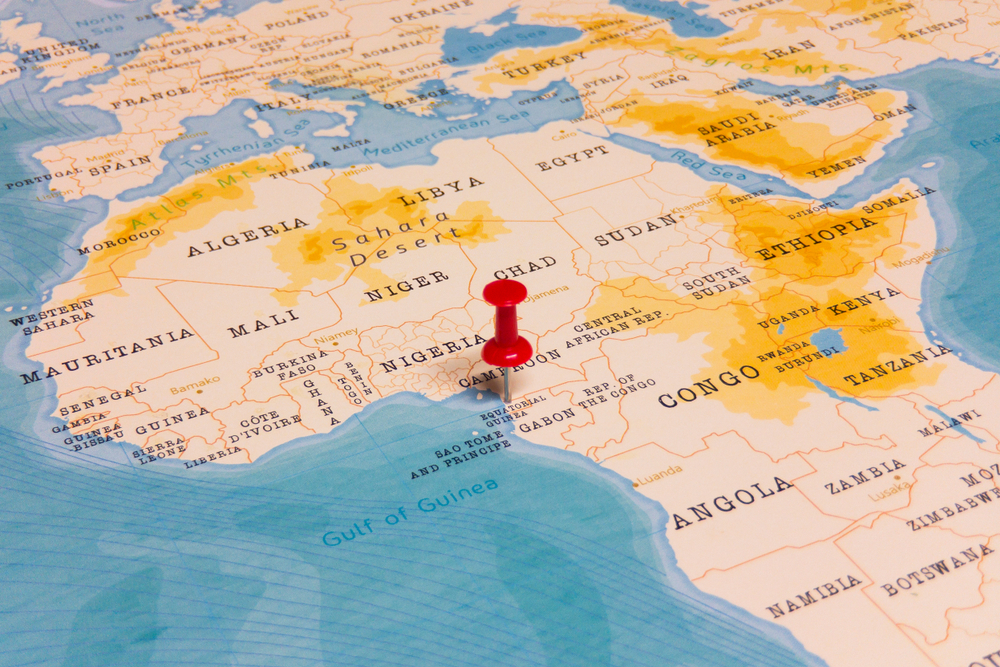
In May 2025, the International Court of Justice (ICJ) ruled in favor of Equatorial Guinea in a longstanding territorial dispute with Gabon over three uninhabited islands—Conga, Mbanié, and Cocoteros—located in potentially oil-rich waters in the Gulf of Guinea.
Background of the Dispute
The conflict dates back to the early 1970s, when both Central African nations laid claim to the islands. The ICJ determined that Equatorial Guinea’s claim, based on a 1900 treaty dividing French and Spanish colonial assets, should be honored. The court dismissed Gabon’s argument that a more recent treaty, the 1974 Bata Convention, had transferred sovereignty of the islands to Gabon.
Implications of the Ruling
As a result of the ruling, Gabon is required to withdraw its military presence from Mbanié, the largest of the three islands, which it has occupied since 1972. The decision is final and binding, and both countries have agreed to abide by the court’s judgment.
Next Steps
Following the ruling, a spokesperson for the Gabonese presidency emphasized the need for continued dialogue between the two nations, stating, “Gabon and Equatorial Guinea have to live side-by-side, we can’t move away from each other. Therefore we will have to talk it over to solve all these problems.”
Oil Exploration Prospects
Both countries are significant oil producers but have experienced declining production in recent years due to underinvestment and aging infrastructure. The resolution of this dispute could open new opportunities for oil exploration in the contested maritime zone.
Most countries have a single capital city that serves as the political and administrative center. But in some cases, countries divide their capital functions between two cities — sometimes for historical, political, or geographic reasons.
South Africa
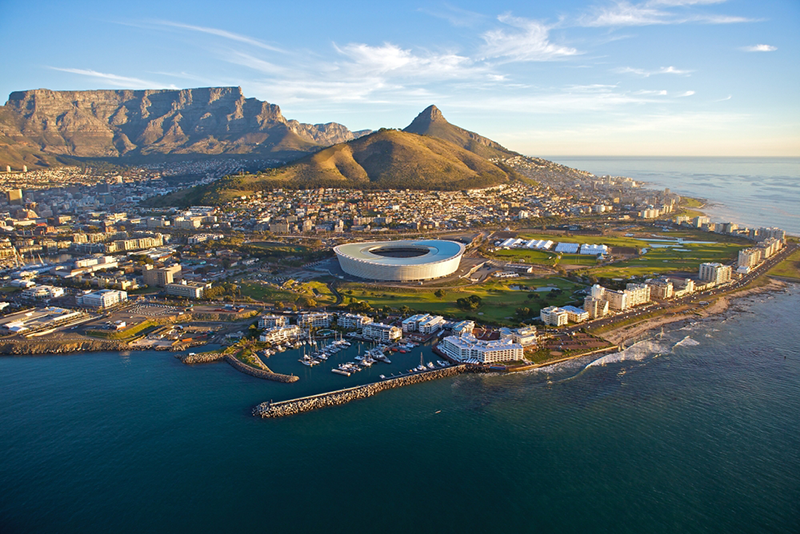
Cape Town, one of the capitals of South Africa
South Africa is the most famous example of a country with three official capitals:
Pretoria: Executive capital (home to the president and government ministries)
Bloemfontein: Judicial capital (home to the Supreme Court of Appeal)
Cape Town: Legislative capital (home to Parliament)
This arrangement reflects the country’s complex political history and efforts to balance power among its regions.
Bolivia
Bolivia has two capitals:
La Paz: Seat of government and executive power, including the president and Congress.
Sucre: Constitutional capital and location of the Supreme Court.
This split stems from a 19th-century civil war, after which La Paz gained more political influence while Sucre retained symbolic and judicial importance.
Netherlands
The Netherlands also divides its capital functions:
Amsterdam: Constitutional capital, where the royal inauguration takes place.
The Hague: Seat of government, parliament, Supreme Court, and embassies.
Though Amsterdam is officially the capital, most political activity takes place in The Hague.
Other Examples
Some other countries have cities that share capital functions, even if not officially called “dual capitals”:
Benin: Porto-Novo (official capital), but Cotonou is the seat of government.
Eswatini: Mbabane (administrative capital), and Lobamba (royal and legislative capital).
Malaysia: Kuala Lumpur (official capital), but Putrajaya serves as the administrative center.
Why Split a Capital?
The reasons for having multiple capitals vary. Some countries want to balance power among different regions, others respond to historical compromises or practical concerns like overcrowding. While it may seem inefficient, it often reflects deeper social or political realities.
Throughout the 19th century, most South American countries broke free from European colonial powers, especially Spain and Portugal. The independence movements were inspired by Enlightenment ideals, revolutions in North America and France, and the weakening grip of European empires.
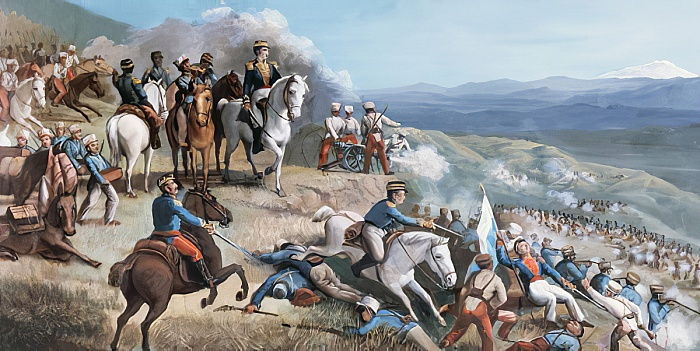
Battle of Ibarra 1823
Timeline of Independence in South America
Paraguay: 1811 – Declared independence from Spain.
Argentina: 1816 – Formal declaration, though the revolution began in 1810.
Chile: 1818 – Official independence after years of struggle.
Colombia: 1810 (de facto), consolidated in 1819 under Gran Colombia.
Venezuela: 1811 (first declaration), but not secured until 1821.
Peru: 1821 – Declared independence, with final liberation in 1824.
Ecuador: 1822 – Liberated during Simón Bolívar’s campaign.
Bolivia: 1825 – Last major Spanish stronghold to fall.
Uruguay: 1825 – Declared independence from Brazil; recognized in 1828.
Brazil: 1822 – Declared independence from Portugal, peacefully compared to Spanish colonies.
Guyana: 1966 – Gained independence from the United Kingdom.
Suriname: 1975 – Gained independence from the Netherlands.
Gran Colombia: A Short-Lived Union
Several northern countries, including Colombia, Venezuela, Ecuador, and Panama, were briefly united under Gran Colombia from 1819 to 1831, before fragmenting into separate nations.
Late Decolonization
Unlike the Spanish colonies, Guyana and Suriname remained under British and Dutch control until the 20th century. French Guiana remains a region of France to this day and is not an independent country.
A Wave of Change
The independence movements across South America reshaped the continent and created new nations out of old colonial structures. The legacy of these struggles still influences politics, identity, and national pride throughout the region today.
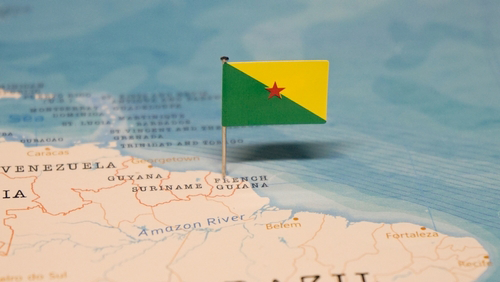
When you think of South America, you likely imagine countries like Brazil, Argentina, or Colombia. But nestled on the continent’s northeastern coast is a place that doesn’t quite fit the mold: French Guiana. Unlike its neighbors, it’s not an independent country — it’s part of France. Yes, the same France as Paris and the Eiffel Tower.
A Department, Not a Colony
French Guiana is not a colony or overseas territory. It is an overseas department and region of France, fully integrated into the French Republic. This means it uses the euro, participates in French and European elections, and follows French law.
In fact, French Guiana is part of the European Union — making it the only place in mainland South America where EU law applies.
Spaceport in the Jungle
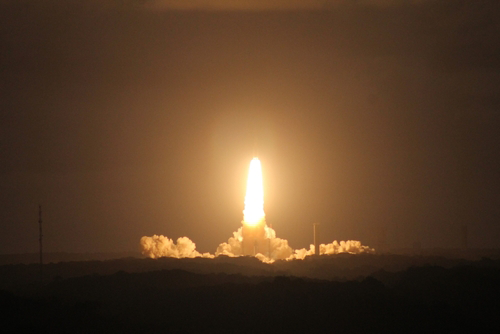
Rocket launch Ariane 5 in French Guiana
One of French Guiana’s most surprising features is the Guiana Space Centre in Kourou. This high-tech facility is used by the European Space Agency (ESA) to launch satellites. Its equatorial location makes it ideal for space missions — making the region a key player in Europe’s space program.
Social Tensions and Protests
Despite its modern infrastructure and official status as part of France, French Guiana faces many challenges. Unemployment is high, public services are often lacking, and many residents feel disconnected from mainland France. Protests in 2017 brought international attention to these issues.
Identity and Belonging
The population is diverse, with Afro-descendants, Indigenous peoples, Creoles, and immigrants from Suriname and Brazil. While some people embrace their French citizenship, others feel that the region should have more autonomy — or even independence.
A Curious Case of Geography and Politics
French Guiana is a geopolitical anomaly: a slice of Europe on the South American continent. It challenges our usual ideas about borders, citizenship, and what it means to belong to a nation. Whether viewed as a strategic asset, a neglected region, or a cultural mosaic, it certainly stands out on the map.
Bougainville är en ögrupp i västra Stilla havet, öster om Papua Nya Guineas fastland. Den tillhör formellt Papua Nya Guinea (PNG), men har under lång tid haft en stark separatistisk identitet. Sedan en folkomröstning 2019, där över 97 % röstade för självständighet, är Bougainville inne i en övergångsperiod med målet att bli ett självständigt land.
Geografi och befolkning
Bougainvilles flagga
Bougainville består av huvudön Bougainville samt den mindre ön Buka och flera mindre öar. Regionen har cirka 300 000 invånare. De flesta tillhör melanesiska folkgrupper som skiljer sig kulturellt och etniskt från majoriteten i Papua Nya Guinea. De officiella språken är engelska och tok pisin, men det finns också många lokala språk.
Historia
Bougainville koloniserades först av Tyskland i slutet av 1800-talet. Efter första världskriget togs området över av Australien och blev senare en del av det självständiga Papua Nya Guinea 1975. Missnöje med centralmakten växte, särskilt på grund av Bougainvilles naturresurser.
Den största koppargruvan i världen, Panguna, öppnades på ön på 1970-talet, men lokalbefolkningen upplevde att intäkterna gick till centralregeringen och utländska företag. Detta ledde till ett blodigt inbördeskrig mellan 1988 och 1998, som krävde uppskattningsvis 15 000–20 000 liv.
Autonomi och självständighet
Som en del av fredsavtalet 2001 fick Bougainville omfattande självstyre. En regional regering bildades, och 2019 hölls en bindande folkomröstning om självständighet. Utfallet visade ett mycket starkt stöd för att bryta sig ur Papua Nya Guinea.
Förhandlingar om självständighet pågår mellan Bougainvilles regering och PNG:s centralregering. Målet är att självständighet ska kunna uppnås senast under 2020-talet, men ett exakt datum har ännu inte fastställts.
Ekonomi och framtid
Bougainville har rika naturresurser, men ekonomin är svag. Gruvnäringens framtid är osäker på grund av både miljö- och säkerhetsproblem. Jordbruk, fiske och småskalig handel dominerar i dag.
För att klara en självständig framtid krävs investeringar i infrastruktur, utbildning och sjukvård. Bougainville söker också stöd från omvärlden i sin statsbildningsprocess.
Jugoslavien var en stat i sydöstra Europa som existerade i olika former under 1900-talet. Dess upplösning under 1990-talet blev en av de mest dramatiska och våldsamma i Europas moderna historia. Här är en översikt över vad som hände med Jugoslavien – från bildandet till dess sönderfall och efterverkningarna.
Ursprung och sammansättning
Jugoslavien bildades efter Första världskriget år 1918 under namnet Kungariket Serber, kroater och slovener, och bytte namn till Kungariket Jugoslavien 1929. Syftet var att förena flera sydslaviska folk i en gemensam stat.
Efter Andra världskriget blev landet en socialistisk federation under ledning av Josip Broz Tito. Den nya staten hette Socialistiska federativa republiken Jugoslavien och bestod av sex delrepubliker: Slovenien, Kroatien, Bosnien och Hercegovina, Serbien, Montenegro och Makedonien, samt två autonoma provinser inom Serbien: Kosovo och Vojvodina.
Styrka och enighet under Tito
Under Titos ledarskap hölls landet relativt enat trots etniska och religiösa skillnader. Han upprätthöll balansen mellan de olika delarna av landet och var starkt emot nationalism. Jugoslavien förde också en neutral utrikespolitik under kalla kriget, vilket gav det en viss självständighet från både öst och väst.
Upplösningen på 1990-talet
Efter Titos död 1980 började spänningarna mellan de olika delrepublikerna att öka. Den ekonomiska krisen på 1980-talet förvärrade situationen, och nationalism fick ett starkare fäste. På 1990-talet bröt federationen samman steg för steg:
1991 förklarade Slovenien och Kroatien självständighet, vilket ledde till kortvariga krig.
1992 följde Bosnien och Hercegovina, där ett blodigt inbördeskrig bröt ut mellan bosniaker, kroater och serber.
Makedonien (nuvarande Nordmakedonien) blev självständigt utan våld.
Kvar blev Förbundsrepubliken Jugoslavien, bestående av Serbien och Montenegro. Denna stat bytte senare namn till Serbien och Montenegro, och upplöstes 2006 när Montenegro blev självständigt.
Kosovos självständighet
2008 förklarade sig Kosovo självständigt från Serbien, vilket Serbien inte erkänner. Självständigheten är fortfarande en källa till spänning i regionen och har inte erkänts av alla länder i världen.
Efterdyningar
Jugoslaviens upplösning orsakade flera krig och stora mänskliga lidanden. Tiotusentals människor dödades och miljontals fördrevs. Internationella domstolen i Haag har dömt flera ledare för krigsförbrytelser.
Idag består området där Jugoslavien en gång låg av sju självständiga stater: Slovenien, Kroatien, Bosnien och Hercegovina, Serbien, Montenegro, Nordmakedonien och Kosovo (delvis erkänt). Ärren efter konflikterna är fortfarande synliga, men många av länderna strävar nu efter närmare integration med EU och stabilitet i regionen.
The United States has had 50 states since Hawaii joined the Union in 1959. But discussions about a potential 51st state have persisted for decades. While some regions are seriously pursuing statehood, others occasionally appear in public discourse through speculation or historical what-ifs. Here’s a look at the most talked-about candidates.
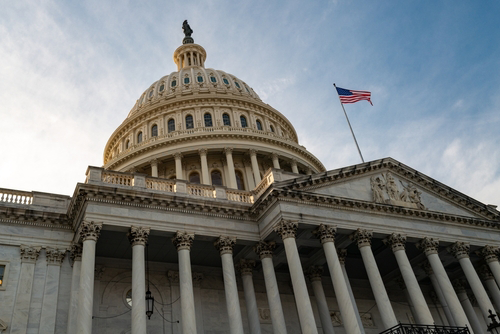
The US Capitol building, home of the US Congress, Washington D.C.
Washington, D.C.
The U.S. capital is perhaps the most prominent candidate for statehood. With over 700,000 residents—more than some current states—Washington, D.C. pays federal taxes but has no voting representation in Congress. Advocates argue this violates democratic principles. Critics cite constitutional concerns and political implications, as D.C. leans heavily Democratic.
Puerto Rico
A U.S. territory since 1898, Puerto Rico has held multiple referendums on statehood. The most recent ones showed increasing support for joining the Union. Puerto Ricans are U.S. citizens but cannot vote in presidential elections and have limited congressional representation. Despite local support, Congress has not taken decisive action.
Other U.S. Territories
Several smaller territories—including Guam, the U.S. Virgin Islands, American Samoa, and the Northern Mariana Islands—also remain outside the statehood framework. These areas have varying levels of autonomy and representation. While statehood is occasionally discussed, none have launched campaigns with momentum comparable to D.C. or Puerto Rico.
Proposals to Split Existing States
Some movements advocate splitting large or politically diverse states to create new ones. Examples include the proposed State of Jefferson (from parts of northern California and southern Oregon) and efforts to divide New York or California along rural–urban lines. These ideas often reflect political discontent but face major legal and constitutional hurdles.
Far-Fetched but Fascinating: Canada and Greenland
Occasionally, more speculative ideas enter the conversation. Canada, for example, has historically appeared in U.S. statehood discussions—especially in the 19th century. Former President Donald Trump even referred to Canada as “the 51st state” in a tongue-in-cheek remark, highlighting the countries’ close economic and cultural ties. Today, such proposals have no serious backing and would be implausible given Canada’s strong national identity.
Greenland briefly made headlines when President Trump suggested the U.S. might purchase it from Denmark. While the idea was dismissed by both Danish and Greenlandic leaders, it underscored Greenland’s strategic importance. Still, the territory is moving toward greater autonomy, not integration with another country.
Conclusion
The most realistic candidates for becoming the 51st state remain Washington, D.C. and Puerto Rico, both of which raise significant questions about representation, identity, and federal power. While other regions and proposals occasionally stir interest, actual statehood requires overcoming major political and constitutional barriers. Until then, the American flag remains at 50 stars.