Is Taiwan a Country?

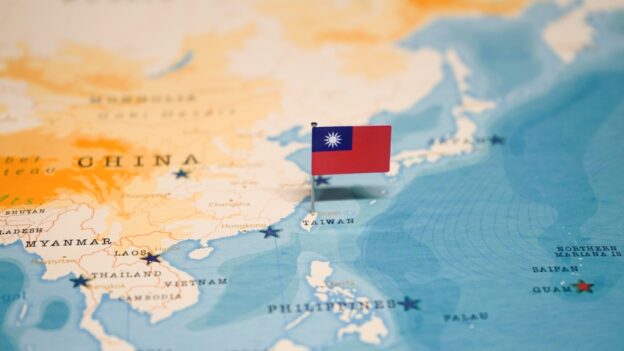
The question of whether Taiwan is a country is highly debated and complex. Officially known as the Republic of China (ROC), Taiwan has its own government, a democratic political system, and operates as a de facto independent state. However, the People’s Republic of China (PRC) considers Taiwan a part of its territory and strongly opposes any move toward formal independence.

Historical Background

The issue dates back to 1949, when the Chinese Civil War ended with the Communist Party establishing the PRC on the mainland, while the nationalist government fled to Taiwan. Since then, Taiwan has maintained its own political system, distinct from the PRC. While it once claimed to represent all of China, Taiwan has since shifted its focus to its own governance.

International Recognition

Taiwan is not universally recognized as a sovereign state. Only a small number of countries maintain official diplomatic relations with Taiwan, as most nations, including the United States and European Union members, adhere to the “One China” policy, recognizing the PRC as the sole representative of China. However, many countries engage with Taiwan informally, maintaining economic and cultural ties.

Taiwan’s Perspective

Taiwan’s government and many of its citizens view the island as a sovereign nation, distinct from China. It has its own constitution, military, and economy. Despite limited formal recognition, Taiwan is a thriving democracy and an important global player, particularly in technology and trade.

China’s Stance

The PRC insists that Taiwan is an inseparable part of China and has not ruled out the use of force to achieve unification. Beijing exerts significant pressure on other nations and international organizations to isolate Taiwan diplomatically.

Conclusion

Whether Taiwan is a country depends on the perspective taken. While it functions as an independent state in practice, its legal and political status remains contested on the international stage, with no resolution in sight. Taiwan’s future remains a sensitive and critical issue in global geopolitics.

Är Västsahara ett land?

Västsahara är en av världens mest omtvistade regioner när det gäller självständighet. Det ligger i nordvästra Afrika och gränsar till Marocko, Mauretanien och Atlanten. Trots att området är rikt på naturresurser som fosfat och fiskevatten är dess status som land mycket osäker.

Historisk bakgrund

Västsahara var en spansk koloni fram till 1975, då Spanien drog sig tillbaka. Efter detta gjorde både Marocko och Mauretanien anspråk på området. Mauretanien gav upp sina krav 1979, men Marocko har fortsatt att kontrollera större delen av regionen. Samtidigt kämpar den sahariska befrielserörelsen, Polisariofronten, för självständighet och har utropat den Sahariska arabiska demokratiska republiken (SADR), som erkänns av flera afrikanska länder och en del andra stater.

Internationell status

Västsahara är inte erkänt som ett självständigt land av FN, och Marocko betraktar det som en del av sitt territorium. FN har klassificerat Västsahara som ett “icke-självstyrande område” och försöker hitta en lösning genom förhandlingar. Planerna på en folkomröstning om självständighet, som skulle organiseras av FN, har fastnat på grund av oenighet om vem som får rösta.

Sveriges inställning

Sverige har ännu inte erkänt Västsahara som ett självständigt land men har uttryckt stöd för en fredlig lösning som respekterar folkrätten och Västsaharas rätt till självbestämmande.

Sammanfattning

Om Västsahara är ett land är en fråga som beror på vem man frågar. I praktiken kontrolleras större delen av området av Marocko, medan Polisariofronten kämpar för självständighet. Den osäkra statusen gör Västsahara till en av de mest långdragna territoriella konflikterna i världen.

Är Kosovo ett land?

Kosovos status som land är en fråga som skapar delade åsikter i världen. Regionen, som ligger på Balkan, förklarade sig självständigt från Serbien den 17 februari 2008. Idag erkänner över 100 länder Kosovo som ett självständigt land, men flera stora länder, inklusive Serbien, gör det inte.

Historisk bakgrund

Kosovo var tidigare en självstyrande provins inom Jugoslavien. Under 1990-talet uppstod stora spänningar mellan Kosovos albanska majoritet och den serbiska minoriteten. Detta ledde till Kosovokriget 1998–1999, som slutade när NATO ingrep och FN tog över administrationen av området.

År 2008 utropade Kosovo sin självständighet från Serbien. Serbien har dock aldrig erkänt detta och hävdar att Kosovo fortfarande är en del av dess territorium.

Erkännande i världen

Om Kosovo är ett land eller inte beror på vem man frågar. Över 100 länder, inklusive USA, Storbritannien och en majoritet av EU:s medlemsländer, erkänner Kosovo som självständigt. Men stora länder som Ryssland, Kina och Indien gör det inte. Även inom EU finns fem länder, som Spanien och Grekland, som inte erkänner Kosovo.

Eftersom Kosovo saknar universellt erkännande är det inte medlem i FN. Ryssland och Kina blockerar Kosovos ansökan genom sitt veto i FN:s säkerhetsråd.

Sveriges inställning

Sverige erkände Kosovos självständighet 2008 och har sedan dess haft goda relationer med landet. Sverige har också stöttat Kosovo i dess utveckling, bland annat genom bistånd och hjälp med att bygga upp demokratiska institutioner.

Utmaningar för Kosovo

Kosovo fungerar i praktiken som ett självständigt land med egen regering och lagar. Men bristen på internationellt erkännande skapar problem. Det blir svårt att delta i internationella organisationer, och relationerna med Serbien är fortfarande ansträngda. Dessutom finns det spänningar i norra Kosovo, där många serber bor och ofta motsätter sig Kosovos styre.

>> Fler blogginlägg…

Is Kosovo a Country?

Kosovo’s status as a country is a subject of international debate and political complexity. Located in the Balkans, Kosovo declared independence from Serbia on February 17, 2008. While over 100 United Nations member states recognize Kosovo as an independent state, others, including Serbia and several major powers, do not.

Kosovo on the map

Historical Context

Kosovo has a long and contested history. Once an autonomous province within Yugoslavia, it became a focal point of ethnic tensions between its Albanian majority and Serb minority. These tensions culminated in the Kosovo War (1998–1999), which ended after NATO intervened and established a United Nations administration in the region.

Kosovo’s 2008 declaration of independence was a direct result of these historical grievances and its desire for self-determination. However, Serbia has consistently opposed this move, claiming that Kosovo remains a part of its sovereign territory.

International Recognition

The question of whether Kosovo is a country depends largely on international recognition. As of 2025, over 100 countries, including the United States, the United Kingdom, and most European Union members, recognize Kosovo as independent. However, significant countries like Russia, China, and India, as well as five EU states (Spain, Slovakia, Romania, Greece, and Cyprus), do not recognize its sovereignty.

Kosovo is not a member of the United Nations due to Russia and China’s veto power on the Security Council, both of whom support Serbia’s position.

Political and Legal Perspectives

Kosovo operates as an independent state, with its own government, constitution, and institutions. The International Court of Justice (ICJ) ruled in 2010 that Kosovo’s declaration of independence did not violate international law. However, this ruling did not resolve the issue of recognition, leaving its statehood largely a matter of politics.

Challenges to Statehood

Kosovo faces several challenges typical of countries with contested sovereignty. Its lack of universal recognition complicates its participation in international organizations and treaties. It also affects foreign investment and diplomatic relations. Moreover, the Serbian minority in northern Kosovo often resists Pristina’s authority, creating ongoing tensions within its borders.

Conclusion

Whether Kosovo is a country depends on the perspective taken. Functionally, it operates as a sovereign state with all the institutions of governance. Legally and politically, its status is contested, hinging on the recognition of other nations and the resolution of its relationship with Serbia.

>> Learn to find Kosovo on a map in our Europe map quiz

Is Western Sahara A Country?

Map of Western Sahra in North Africa

Western Sahara, a sparsely populated region in North Africa, remains one of the world’s most protracted territorial disputes. Stretching along the Atlantic coast between Morocco and Mauritania, this region is rich in phosphate reserves and has significant fishing waters, making it strategically and economically important.

Historical Background

Formerly a Spanish colony, Western Sahara was claimed by both Morocco and Mauritania after Spain withdrew in 1975. Following a brief conflict, Mauritania relinquished its claim in 1979, leaving Morocco to assert control over most of the territory. However, the indigenous Sahrawi people, represented by the Polisario Front, demand independence and established the self-proclaimed Sahrawi Arab Democratic Republic (SADR), which is recognized by several nations and the African Union.

Current Governance and Conflict

Morocco administers about 80% of Western Sahara, including its major cities and natural resources, while the Polisario Front controls the remaining areas, primarily desert territories. A United Nations-brokered ceasefire in 1991 ended active hostilities, but plans for a referendum on the region’s future status have stalled due to disagreements over voter eligibility and terms.

International Perspectives

The international community remains divided on Western Sahara’s status. While Morocco has gained support for its proposal of autonomy under Moroccan sovereignty, the Polisario Front insists on a referendum that includes the option for independence. In recent years, the U.S. recognized Moroccan sovereignty over Western Sahara, further complicating the dispute. The United Nations continues to advocate for a negotiated solution but progress has been slow.

The unresolved conflict has left tens of thousands of Sahrawis living in refugee camps in Algeria, reliant on international aid. Allegations of human rights abuses, resource exploitation, and limitations on freedom of expression in the region contribute to ongoing tensions.

The Fylke Reforms in Norway

The fylke reforms in Norway, effective from January 1, 2020, marked a significant restructuring of the country’s administrative divisions. The number of counties (fylker) was reduced from 19 to 11, with the goal of streamlining governance, optimizing resource allocation, and promoting regional cooperation. This was one of the most extensive reforms in modern Norwegian administrative history.

Several counties were merged to form larger administrative units. For instance, Akershus, Buskerud, and Østfold were combined into the new county of Viken, while Troms and Finnmark became Troms og Finnmark. Other regions, such as Vestfold and Telemark, also joined to create unified counties. The reform was based on the idea that larger administrative units could better address economic and social challenges by pooling resources and expertise.

Criticism and Challenges

Despite the intentions behind the reform, it faced criticism from various groups. Many argued that the new structures disregarded historical and cultural identities tied to the original counties. Local politicians and residents in some areas expressed concerns about the centralization of power and the loss of local representation. Additionally, the mergers led to practical challenges in coordinating services across larger and more diverse regions.

Reversals and Adjustments (2024)

Public dissatisfaction with the reform eventually led to changes. As of 2024, some merged counties, such as Viken, have been dissolved, and the original counties reinstated. There are now (2025) 15 fylken in Norway. The fylke reforms remain a debated topic in Norway, reflecting the tension between modernization and tradition.

>> Play our map quiz on the 15 counties of Norway

Recently Changed US State Flags

In recent years, some U.S. states have decided to change their flags to better represent their people and values. Here are three states that have made changes:

Minnesota (2024)

The flag of Minnesota adopted in 2024
The flag of Minnesota 1980–2024

Minnesota changed its flag in 2024. The old flag had a complicated design with a state seal on a blue background, which many people found hard to recognize and controversial because of its imagery. The new flag is simpler and more modern. It features a light blue background with the shape of Minnesota in dark blue. Inside the shape, there is a white star, symbolizing the North Star and the state’s motto, “L’Étoile du Nord” (The Star of the North). This new design reflects Minnesota’s natural beauty and diverse population.

Utah (2024)

The flag of Utah adopted in 2024
The flag of Utah 2011–2024

Utah adopted a new flag in 2024. The old flag featured the state seal on a blue background, a design many felt was outdated and similar to other state flags. The new flag includes a beehive, a symbol of industry and community, with bold stripes in red, white, and blue. These colors represent Utah’s landscapes, like its red rock canyons and snowy mountains. The new flag is simple and modern, making it easier to recognize.

Mississippi (2021)

The flag of Mississippi adopted in 2021
The flag of Mississippi 2001–2020

Mississippi changed its flag in 2021. The old flag had the Confederate battle emblem, which many people saw as a symbol of racism. After years of debate, Mississippi retired the old flag in 2020. The new flag, called the “In God We Trust” flag, has a magnolia flower in the center, surrounded by stars. It also includes the words “In God We Trust.” This design honors the state’s history while promoting unity.

The Maine flag referendum

In the 2024 Maine Question 5 referendum, voters rejected a proposal to replace the current state flag with a design inspired by the 1901 “Pine Tree Flag,” featuring a green pine tree and blue star on a tan background, with 55.7% voting against and 44.3% in favor.

The pine tree flag (rejected)

>> Read about recently changed country flags

Varför är Grönland en del av Danmark?

Grönland och Danmark

Grönland är världens största ö och en självstyrande del av kungariket Danmark. Men varför är Grönland en del av Danmark? Svaret ligger i historien.

Grönlands flagga

På 900-talet kom nordiska vikingar från Skandinavien till Grönland och bosatte sig där. När Danmark och Norge gick ihop i Kalmarunionen 1397 blev Grönland en del av deras gemensamma område. När unionen upplöstes år 1814 behöll Danmark kontrollen över Grönland.

År 1953 blev Grönland en officiell del av Danmark och fick representanter i det danska parlamentet. Men år 1979 fick Grönland självstyre, vilket betyder att de kan bestämma över många av sina egna frågor. Sedan 2009 har Grönland ännu mer självbestämmande, men Danmark ansvarar fortfarande för utrikespolitik, försvar och valuta.

Kommer Grönland att bli självständigt?

Frågan om Grönlands självständighet dyker ofta upp i politiken. Grönland har en liten befolkning på cirka 56 000 personer och är ekonomiskt beroende av pengar från Danmark. Samtidigt har ön stora naturresurser, som olja, mineraler och sällsynta jordartsmetaller, som kan ge framtida ekonomiska möjligheter. Om Grönland blir självständigt skulle de få full kontroll över dessa resurser.

Många grönländare är stolta över sitt inuitiska arv och vill bevara sin kultur. Men det finns också utmaningar, som att bygga en starkare ekonomi och lösa sociala problem, innan självständighet kan bli verklighet.

Why Is Greenland Part Of Denmark?

Greenland, the world’s largest island, is an autonomous territory within the Kingdom of Denmark. Its connection to Denmark dates back to the Viking Age, when Norse settlers arrived in the 10th century. 

The flag of Greenland

After centuries of colonization and governance by Denmark-Norway, Greenland became a Danish colony in 1814, following the dissolution of the union between Denmark and Norway. It was formally integrated as a Danish county in 1953 but gained home rule in 1979 and expanded self-government in 2009.

Today, Greenland governs most of its internal affairs, including education, health, and natural resources, while Denmark retains control over foreign policy, defense, and monetary matters. This special relationship reflects a mix of historical ties and strategic interests, as Greenland’s geographic location and resources make it important on the global stage.

Will Greenland Become Independent? 

The question of Greenland’s independence is often debated in politics and society. With a small population of around 56,000, Greenland faces challenges like economic reliance on Danish subsidies. However, its rich resources, including minerals, oil, and rare earth elements, could support future economic growth. Independence would give Greenland full control over these resources, a key goal for some politicians.

Cultural identity is also important in the independence debate. Many Greenlanders value their Inuit heritage and want more autonomy to protect their culture. However, practical issues, such as diversifying the economy and addressing social challenges, need to be resolved before independence is feasible.

For now, Greenland remains part of Denmark, balancing history, autonomy, and shared interests while exploring its future possibilities.

Will New Caledonia Become the World’s Next Independent Country?

New Caledonia, a French overseas territory in the Pacific Ocean, has been at the center of independence debates for decades. Known for its stunning lagoons and rich nickel reserves, this archipelago of around 270,000 people has a unique political status and a long history of seeking greater autonomy.

Map of the location of New Caledonia

The Path Toward Independence

Paris, 2024, Kanak demonstration against France

New Caledonia’s modern independence movement gained momentum in the 1980s, culminating in the 1998 Nouméa Accord. This agreement laid the groundwork for three referendums on independence from France. The first two votes, in 2018 and 2020, resulted in narrow victories for remaining part of France. However, a third referendum in 2021, boycotted by many pro-independence voters, overwhelmingly favored staying within France.

Despite these results, the question of independence remains unresolved. Many Indigenous Kanak people, who make up about 40% of the population, support independence, viewing it as a way to reclaim their sovereignty. In contrast, other residents, particularly those of European descent, see continued ties with France as beneficial for economic stability and public services.

Challenges and Opportunities

If New Caledonia becomes independent, it would face significant challenges. The local economy relies heavily on French subsidies, and transitioning to full self-governance could be complex. Additionally, debates over resource management, particularly nickel, could become contentious. However, independence could also open doors to stronger ties with Pacific neighbors and greater control over natural resources.

View of Noumea, New Caledonia

What Lies Ahead?

The future of New Caledonia depends on ongoing negotiations between France and local leaders. Both sides are working to define a shared vision for the territory, whether it involves further autonomy or eventual independence.

While no timeline is set for another independence vote, New Caledonia remains a key region to watch. If it chooses independence, it could become the world’s newest country, signaling a significant shift in the Pacific’s political landscape.

Learn about all the currently independent nations in Oceania in our map quiz.